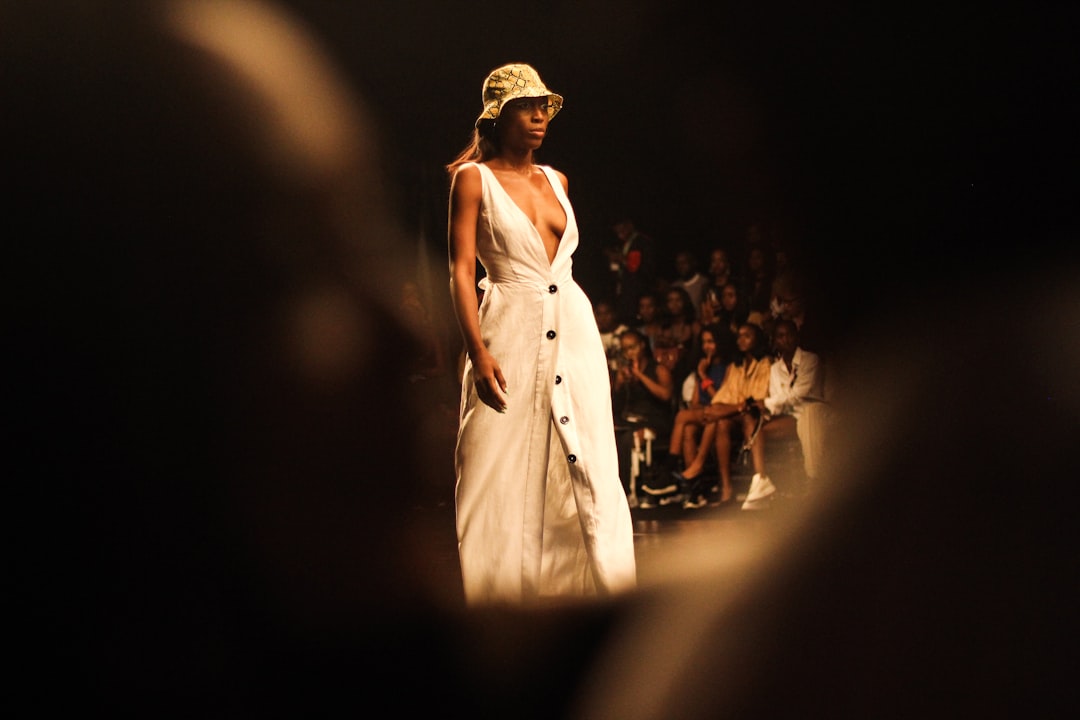
The runway is where fashion comes alive—where months of design work transform into living, breathing art. As a model manager who has prepared countless models for fashion week runways across the globe, I can tell you that success on the catwalk is about far more than just walking in a straight line. It requires physical preparation, mental discipline, and an understanding of what designers and casting directors actually want to see.
The Physical Foundation
Runway modeling is surprisingly athletic. A typical fashion show might last only 10-15 minutes, but the physical demands—walking in challenging footwear, maintaining perfect posture, executing quick changes—require genuine fitness and body awareness that takes time to develop.
The best runway models train like athletes. Core strength, balance, and endurance aren't optional—they're essential to performing at the level today's fashion shows demand.
Start with core strengthening exercises. Your ability to maintain perfect posture while walking in six-inch heels on an uneven runway depends entirely on core stability. Planks, Pilates, and yoga should be regular parts of your fitness routine. These don't just improve your physical capability—they enhance body awareness, which translates directly to how you carry yourself on the runway.
Mastering Different Footwear
One of the most underestimated aspects of runway preparation is learning to walk confidently in various types of footwear. You might be asked to wear anything from flat sandals to platform boots to dangerously high stilettos. Practice walking in different heel heights regularly—not just occasionally before a show.
I recommend models keep a variety of practice heels and spend time each week walking in them at home. Walk on different surfaces: carpet, hardwood, tile. Each presents unique challenges you might encounter on actual runways. The goal is to reach a point where walking in challenging footwear feels second nature, allowing you to focus on expression and energy rather than simply staying upright.
Developing Your Signature Walk
There's a common misconception that all runway walks should look identical. In reality, while there's a professional standard to meet, the most memorable models bring their own energy and personality to the catwalk. Your walk should feel natural to your body while still embodying confidence and poise.
The Basic Mechanics
Start with fundamentals: shoulders back, chin level, eyes forward. Your stride should originate from your hips, with your legs crossing slightly on an imaginary line as you walk. This creates the elegant "crossover" walk that adds grace to your movement. However, the crossover should be subtle—over-exaggeration looks forced and distracts from the clothing.
Practice in front of a full-length mirror, but also video yourself walking from different angles. What feels right doesn't always look right, and video reveals habits you might not notice otherwise. Pay attention to your arms—they should swing naturally but not excessively. Your hands should be relaxed, not clenched.
Adding Energy and Presence
Technical perfection means nothing without presence. The models who book runway work consistently are those who command attention the moment they step on the catwalk. This isn't about being loud or showy—it's about confident energy that makes people want to watch you.
Work on your facial expressions. Runway modeling typically calls for a neutral-to-confident expression, but "neutral" doesn't mean blank or bored. Your face should convey focus, confidence, and the attitude that matches the designer's aesthetic. Study runway videos to see how top models adapt their energy to different designers—the walk for a romantic, flowing collection differs from the energy you'd bring to edgy streetwear.
Mental Preparation and Mindset
The psychological aspect of runway modeling is often overlooked, but it's absolutely critical. Walking a professional runway, especially at major fashion weeks, comes with intense pressure. All eyes are on you, cameras are recording every second, and a single misstep becomes permanently documented online.
Develop pre-show rituals that center and focus you. This might be breathing exercises, visualization techniques, or a specific warmup routine. The key is consistency—having a familiar routine helps manage nerves and gets you into the right headspace regardless of the show's significance.
Handling Pressure and Mistakes
Even the most experienced models occasionally stumble or have wardrobe malfunctions. What separates professionals from amateurs is how they handle these moments. If something goes wrong, keep moving with confidence. The audience and cameras are watching your reaction more than the mistake itself.
I always tell my models: confidence is your recovery tool. If a shoe comes off, keep walking. If you trip slightly, maintain your composure and continue. The professional models who have decades-long careers are those who turn potential disasters into moments that showcase their grace under pressure.
What Casting Directors Really Notice
Having sat through countless runway castings, I can tell you exactly what we look for—and it's not always what aspiring models expect. Yes, your walk matters, but it's not the only factor, or even always the primary one.
- Energy and Attitude: We watch how you carry yourself from the moment you enter the room. Confidence that isn't arrogance, professionalism, and genuine enthusiasm make you memorable.
- Adaptability: Can you adjust your walk when given direction? Models who can't or won't take feedback rarely book shows.
- Proportions and Movement: How the clothes will look in motion is crucial. We're assessing whether you'll showcase the collection effectively.
- Reliability Indicators: Punctuality, preparedness, and professionalism at castings signal how you'll perform during the actual show.
- Versatility: Can you adapt to different designer aesthetics, or is your look very specific? Versatile models work more consistently.
Behind the Scenes: Show Day Preparation
The actual show day involves organized chaos. Multiple models, quick changes, last-minute alterations, and high-stress environments are standard. Your preparation should account for this reality.
Arrive Ready to Work
Show up with clean, styled hair that's easy to work with. Your skin should be clean and moisturized. Nails should be neat and neutral—designers will specify if they want a particular color. Bring your model essentials: nude undergarments, clear and black heels in your size, safety pins, bobby pins, and any special items requested.
Eat a proper meal before you arrive, but not so close to show time that you feel uncomfortable. Backstage can be hectic, and you might not have time to eat until after the show. Stay hydrated, but be smart about timing—bathroom breaks during quick-change sequences aren't possible.
Professional Backstage Behavior
Backstage is a workplace, not a social event. Be friendly and professional, but stay focused on your job. Listen to instructions from dressers, stylists, and show coordinators. Don't touch your hair or makeup after professionals have worked on it unless explicitly told to adjust something.
Put your phone away. Nothing marks you as unprofessional faster than being glued to your phone when you should be paying attention to show preparations. Use any downtime to mentally rehearse your walk and review your outfit order if you have multiple looks.
Building Long-Term Runway Success
One successful runway show doesn't make a runway career. Consistency, reliability, and continuous improvement are what keep models working season after season. After each show, honestly assess your performance. What went well? What could improve? Seek feedback from your agency and use it constructively.
Study the industry constantly. Watch fashion shows online, noting how top models work. Pay attention to trends in runway presentation—styles evolve, and staying current is part of professionalism. Build relationships with other models, stylists, and industry professionals. Fashion is relationship-driven, and genuine connections often lead to opportunities.
Final Thoughts
Runway modeling at a professional level demands dedication, preparation, and authentic passion for the work. It's physically demanding, mentally challenging, and highly competitive. But for those who approach it with seriousness and commitment, it offers unique opportunities to be part of fashion's most exciting moments.
Remember that every supermodel you admire started exactly where you are now—learning, practicing, sometimes failing, but always improving. The difference between those who make it and those who don't often comes down to preparation and persistence. Master the fundamentals, develop your unique presence, and approach every opportunity with professionalism and enthusiasm.
At Glam Dubai Models, we invest significant time in preparing our models for runway success. From technical training to mental preparation to industry navigation, we provide the support and guidance that transforms potential into performance. The runway is where fashion dreams become reality—and proper preparation is what makes those dreams achievable.