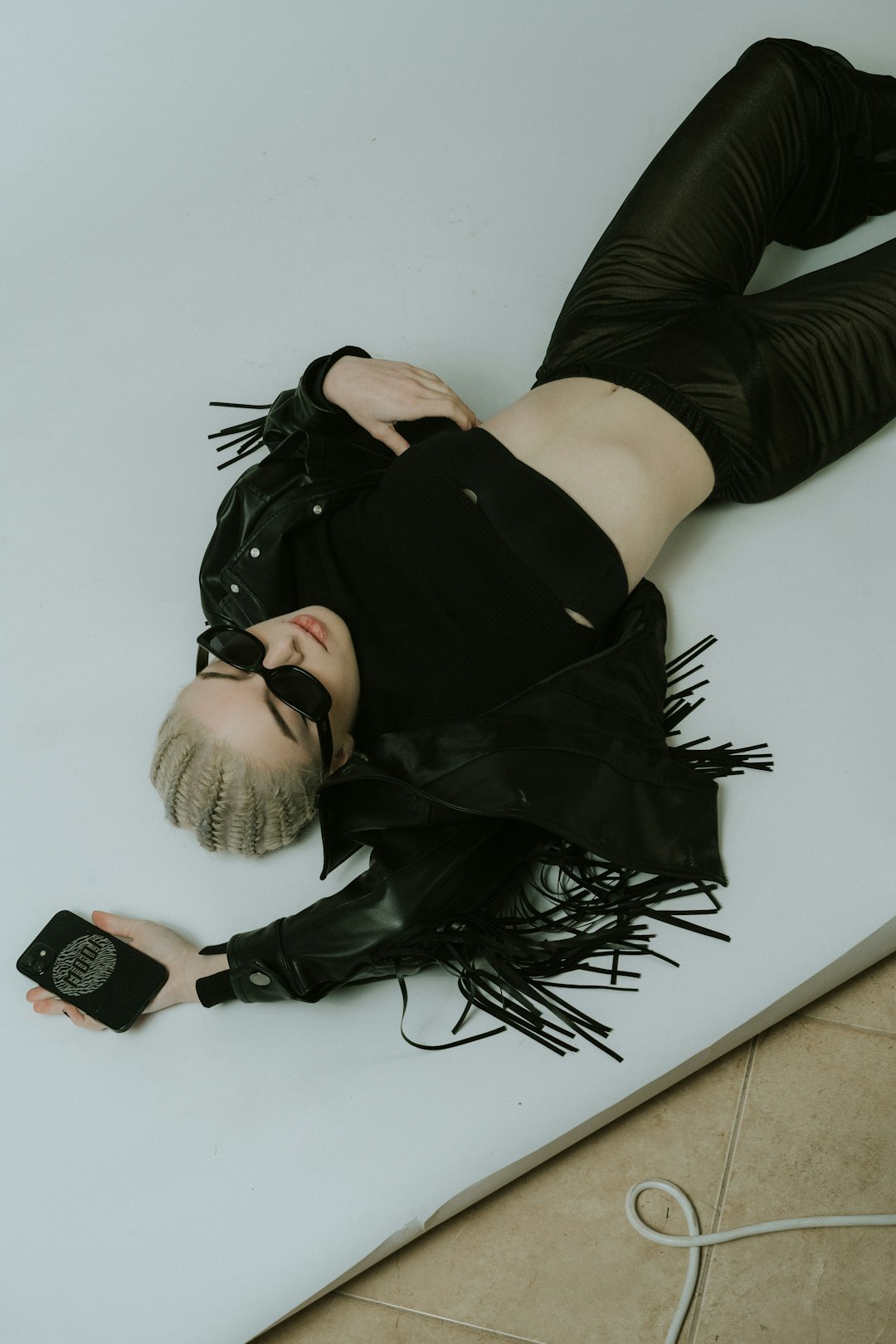
In the competitive world of modeling, your portfolio is far more than just a collection of photographs—it's your personal brand, your professional calling card, and often the deciding factor between landing a dream campaign or being passed over. After years of reviewing countless portfolios as a casting director, I've witnessed firsthand how the right presentation can transform a model's career trajectory.
Understanding Portfolio Fundamentals
The foundation of any exceptional modeling portfolio begins with understanding its purpose. Your portfolio exists to demonstrate versatility, showcase your unique qualities, and prove to potential clients that you can deliver what they need. It's not about including your favorite photos—it's about strategically selecting images that tell a compelling professional story.
Quality always trumps quantity. A concise portfolio of 10-12 outstanding images will outperform a bloated collection of 40 mediocre shots every single time.
Each image in your portfolio should serve a specific purpose. Ask yourself: Does this photo demonstrate a skill, look, or capability that other images don't? If you can't answer yes, it probably doesn't belong in your portfolio. This ruthless editing process is what separates amateur presentations from professional ones.
Essential Portfolio Components
1. Headshots That Command Attention
Your portfolio should begin with striking headshots that immediately capture attention. These aren't casual selfies or snapshots—they're professionally photographed images with perfect lighting that showcase your facial features, bone structure, and ability to connect with the camera. Include both natural and styled variations to demonstrate range.
Headshots should be clean, sharp, and engaging. Casting directors use these to assess how you photograph, your expressiveness, and whether you fit their brand's aesthetic. Weak headshots can result in your portfolio being dismissed within seconds, regardless of what follows.
2. Full-Body Presentation
Full-body shots are non-negotiable for any modeling portfolio. These images should clearly show your proportions, posture, and how you carry yourself. Avoid overly stylized clothing that obscures your physique—simple, well-fitted garments work best. The focus should be on you, not the outfit.
Many aspiring models make the mistake of only including heavily posed glamour shots. While those have their place, casting directors for runway and fashion work need to see natural movement and body awareness. Include images that show you can move gracefully and hold poses with confidence.
3. Editorial and Fashion Shots
Editorial images demonstrate your ability to embody a concept, mood, or brand identity. These are typically more artistic and fashion-forward, showing that you can collaborate with creative teams to bring visions to life. Strong editorial shots prove you're more than just a pretty face—you're a professional who understands fashion storytelling.
When developing this section, work with photographers who specialize in fashion editorial work. Study current fashion magazines to understand the aesthetic you're aiming for. These images should feel current, sophisticated, and demonstrate that you understand the industry's visual language.
4. Commercial and Lifestyle Photography
Don't overlook the commercial sector—it represents a significant portion of modeling work and often provides more consistent income than high-fashion gigs. Commercial shots should show you as approachable, authentic, and relatable. Brands want models who can represent their products in ways that connect with everyday consumers.
These images should feature genuine expressions and natural poses. Think about the advertisements you see for everything from skincare to automobiles—the models look like real people having genuine experiences, not stiff mannequins. Your commercial shots should convey that same authenticity.
Common Portfolio Pitfalls to Avoid
Over the years, I've identified recurring mistakes that undermine otherwise promising portfolios. Being aware of these pitfalls can save you time, money, and missed opportunities.
- Excessive Editing: Heavy filters and unrealistic retouching misrepresent your actual appearance. When you show up to a casting looking significantly different from your portfolio, you've damaged your credibility before even starting.
- Lack of Variety: Including multiple shots with the same expression, angle, or styling suggests limited range. Diversity in your portfolio demonstrates versatility and professional capability.
- Mixing Quality Levels: Never combine amateur snapshots with professional work. One low-quality image undermines the entire presentation and raises questions about your judgment.
- Outdated Images: Fashion moves quickly. If your portfolio features hairstyles, makeup, or styling from several years ago, it signals you're not active in the current market.
- Missing Information: Always include your current measurements, height, and contact details. Make it easy for interested parties to reach you.
Working Effectively with Photographers
Building a strong portfolio requires collaboration with skilled photographers who understand fashion and commercial photography. When you're starting out, "testing" (unpaid collaborative shoots where both model and photographer build portfolios) can be valuable—but only with the right photographers.
Before agreeing to any shoot, review the photographer's existing work thoroughly. Their style and quality standards should align with your portfolio goals. A poorly executed test shoot, even if free, wastes your time and produces unusable material. It's better to invest in one professional shoot than participate in multiple mediocre tests.
During shoots, come prepared with ideas and references, but also trust your photographer's expertise. The best portfolio images come from genuine collaboration where both parties bring their strengths to the creative process.
Digital vs. Physical Portfolios
In today's industry, you need both digital and physical portfolios. Your digital portfolio—typically hosted on your agency's website or a personal platform—should be mobile-optimized, fast-loading, and easily shareable. Most initial reviews happen online, so this is often your first impression.
However, physical portfolios remain important for in-person castings and go-sees. Invest in a high-quality portfolio book with professional prints. The tactile experience of reviewing a beautifully presented print portfolio demonstrates professionalism and attention to detail that digital can't fully replicate.
Keeping Your Portfolio Current
A portfolio is never truly finished—it should evolve with your career. As you gain experience, your look changes, and industry trends shift, regular updates are essential. Plan to refresh your portfolio at least twice annually, replacing weaker images with stronger new work.
Stay aware of current fashion trends, but don't chase them at the expense of authenticity. Your portfolio should evolve naturally as you develop professionally, always maintaining high-quality standards while showcasing your unique attributes.
Final Thoughts on Portfolio Development
Your modeling portfolio is one of the most important investments you'll make in your career. It opens doors, creates opportunities, and often determines which jobs you're considered for. Approach it with the seriousness it deserves—work with professionals, be strategic about image selection, and maintain it diligently.
Remember that your portfolio represents not just how you look, but your professionalism, versatility, and potential value to clients. Every image should reinforce the message that you're a serious professional who delivers results. When done right, your portfolio becomes a powerful tool that works for you 24/7, creating opportunities even while you sleep.
At Glam Dubai Models, we guide our models through every stage of portfolio development, connecting them with top photographers and providing expert feedback on image selection and presentation. Whether you're just starting out or looking to elevate your existing portfolio, professional guidance can make the difference between a portfolio that opens doors and one that gets overlooked.